LIMIT2ADAPT
When and where do we reach the limits of adaptation to riverine flood risk?
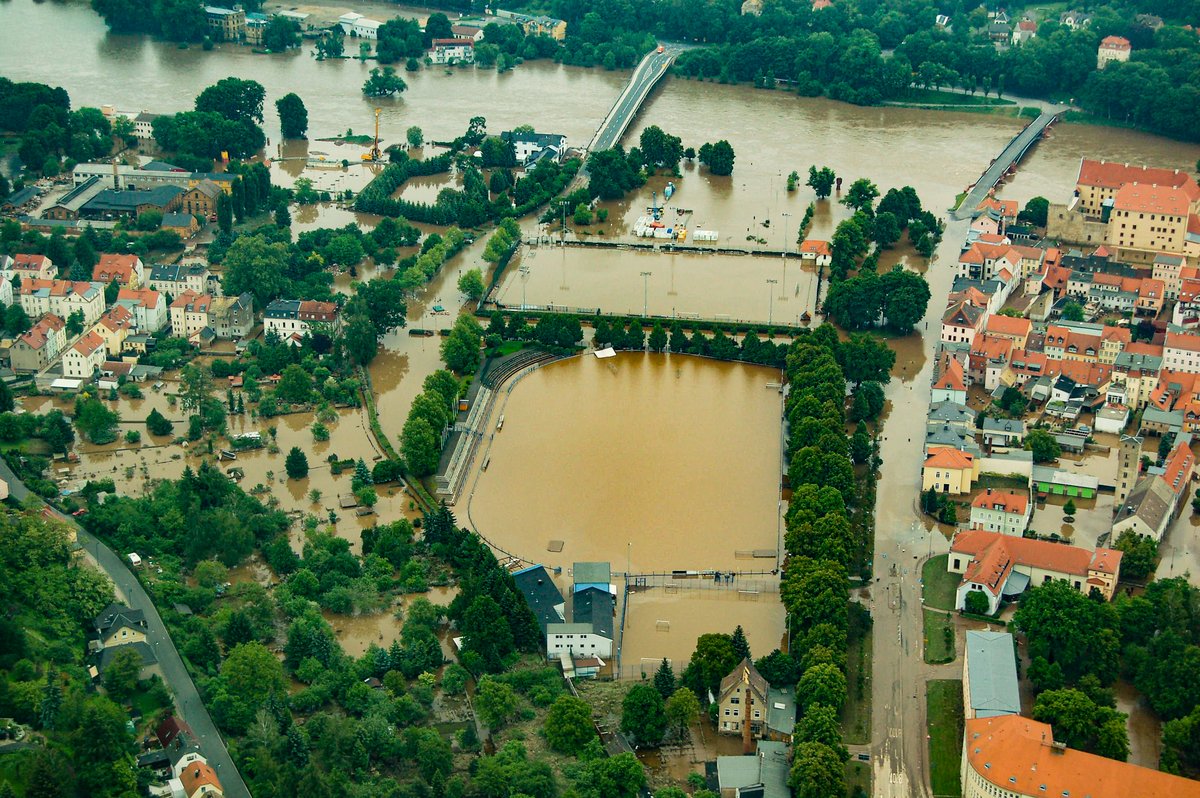
As climate change and urbanization of low-lying areas increase flood risk, accelerated flood adaptation by households is urgently required, for example by elevating homes or implementing flood proofing. These measures complement adaptation by the government, such as building dikes, and insurance that cover residual risk. However, there are limits to the adaptability of societies. For instance, social vulnerability factors such as low income or high age may reduce households’ adaptation efforts leading to higher physical vulnerability of their homes. When societies stop implementing additional adaptation, risk may become ‘intolerable’, and people may have no other option than to leave the area. At this point, ‘adaptation limits’ are reached. LIMIT2ADAPT will quantitatively assess where and when the limits of flood adaptation are reached given underlaying vulnerability drivers at the global scale. This information is crucial for prioritizing global adaptation fund investments.
The LIMIT2ADAPT team is interdisciplinary and comprises four groups. The GFZ Helmholtz Centre for Geosciences in Potsdam, Germany, contributes expertise in physical vulnerability; Princeton University focuses on social vulnerability; the University of Bristol provides expertise in global flood hazard modelling; and VU University Amsterdam specializes in agent-based modelling of adaptation decisions. They work together to quantify the limits of adaptation to riverine flood risk on global scale.
Principal Investigators
Coordination: Dr. Heidi Kreibich, GFZ - Helmholtz Centre for Geosciences, Germany
Prof. Eric Tate, Princeton University, US
Prof. Paul Bates, Bristol University, UK
Prof. Jeroen Aerts, VU University Amsterdam, The Netherlands
Project duration: 2026 - 2033